
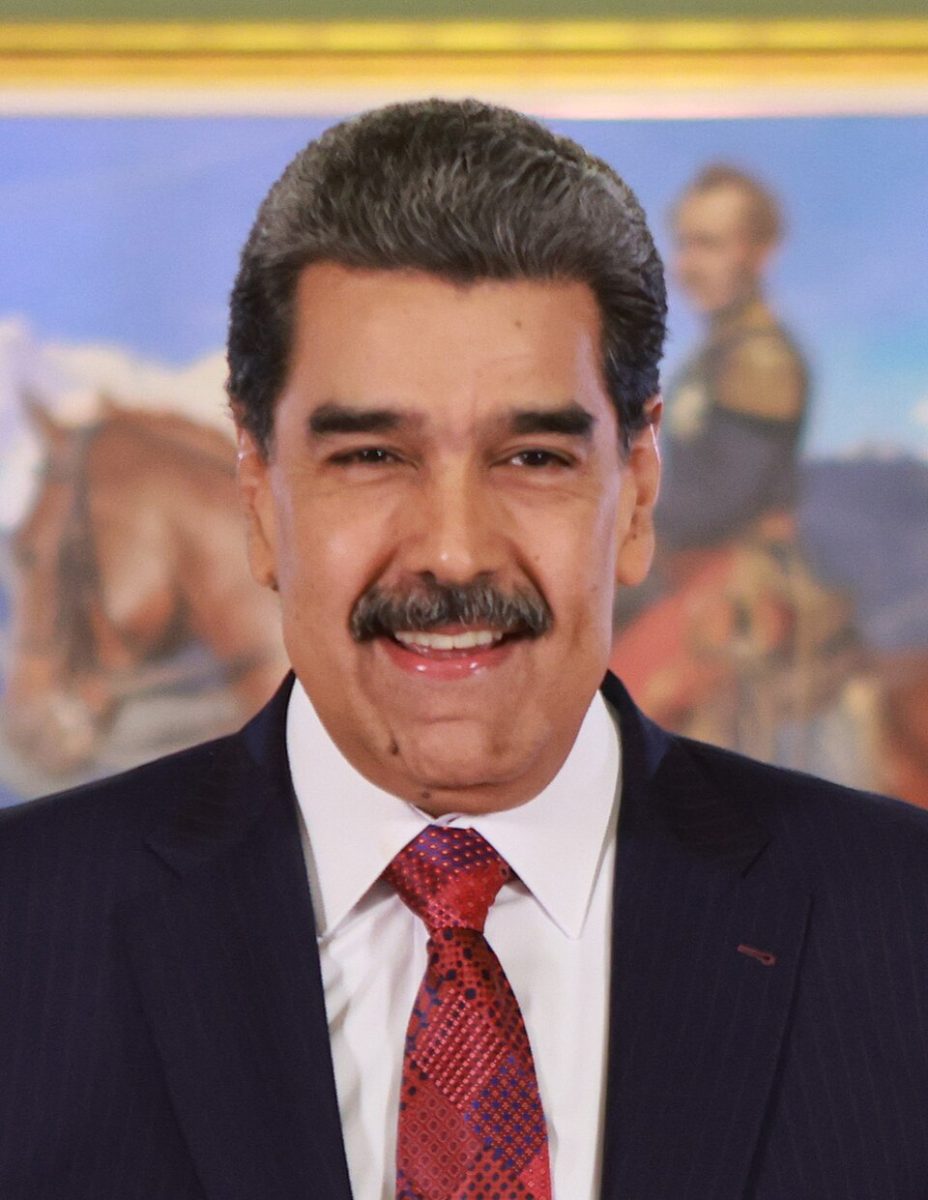
As the ousting of Venezuelan President Nicolás Maduro Moros unfolds, discussion is prevalent amongst students. The current event dominated social media, giving students access to primary details as well as political discussions. One student stated, “I was confused and concerned, because it’s very out of the ordinary to see one President capture another. But seeing the Venezuelan people celebrate made me think twice.” Apart from social media, in-class discussions on current events contributed to students’ understandings of complex government initiatives. Adrina Xhema, an AP Government student, discussed with her classmates the political, economic, and social consequences of capturing President Maduro. For example, oil manufacturing in Venezuela requires a multiplex process given the abundance of sulfate in the region. Adrina Xhema claimed that indulging in class discussions on current events facilitates new perspectives on how a global event can impact our students and our country, even if it occurred across the world.
To a certain extent, students disliked repetitive political news on TikTok and Instagram. One student expressed her resentment towards politically-influenced media by stating, “I’d rather have my social media include more positive aspects. It should be an outlet away from reality, and seeing events like this disrupt that flow.” Therefore, students concurred that social media at times may be overwhelming as political arguments create a negative environment. Nonetheless, students would rather spend leisure time connecting with friends and keeping up with trends, than exposure to overwhelming political debates.