

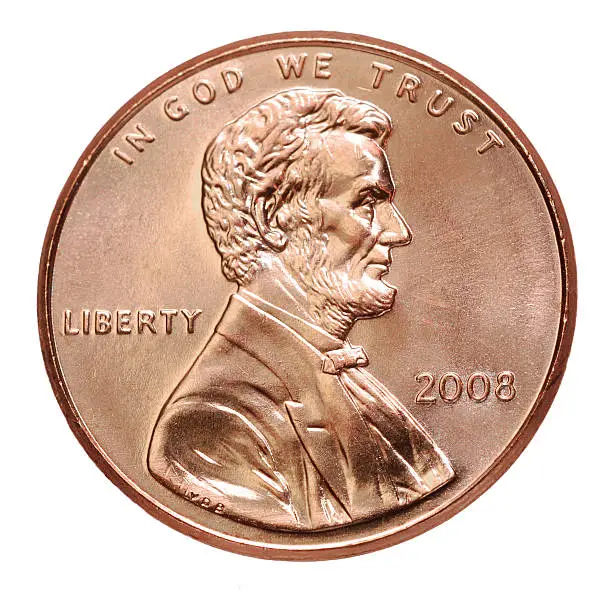
After more than 200 years, the United States has officially stopped making pennies. News sources like the New York Times and BBC News report the theory that pennies cost too much to make. Recently, it took about 3.69 cents just to create one penny, which means the government was paying almost four times what the coin is worth. By stopping production, the U.S. Treasury claims that it will save tens of millions of dollars each year.
Another reason for stopping printing is materials. Pennies look like they’re made of copper, but they’re actually mostly zinc with a copper coating on the outside. As the price of these metals increased, the cost of making each penny rose too. Years ago, it only cost a little over one cent to make a penny, but that number got a lot higher.
There were also environmental problems. Mining zinc and copper uses a lot of energy, hurts land and water, and causes pollution. Since the U.S. had been making pennies since 1793, ending their production caused some debate. But in the end, the government decided it made more sense to stop. Ending penny production shows how the country is moving toward a more modern way of paying, like digital payments. The penny was around for over 230 years, but high costs, environmental issues, and changing spending ways made it clear it wasn’t that useful anymore.